The Role of Integrated Logistics
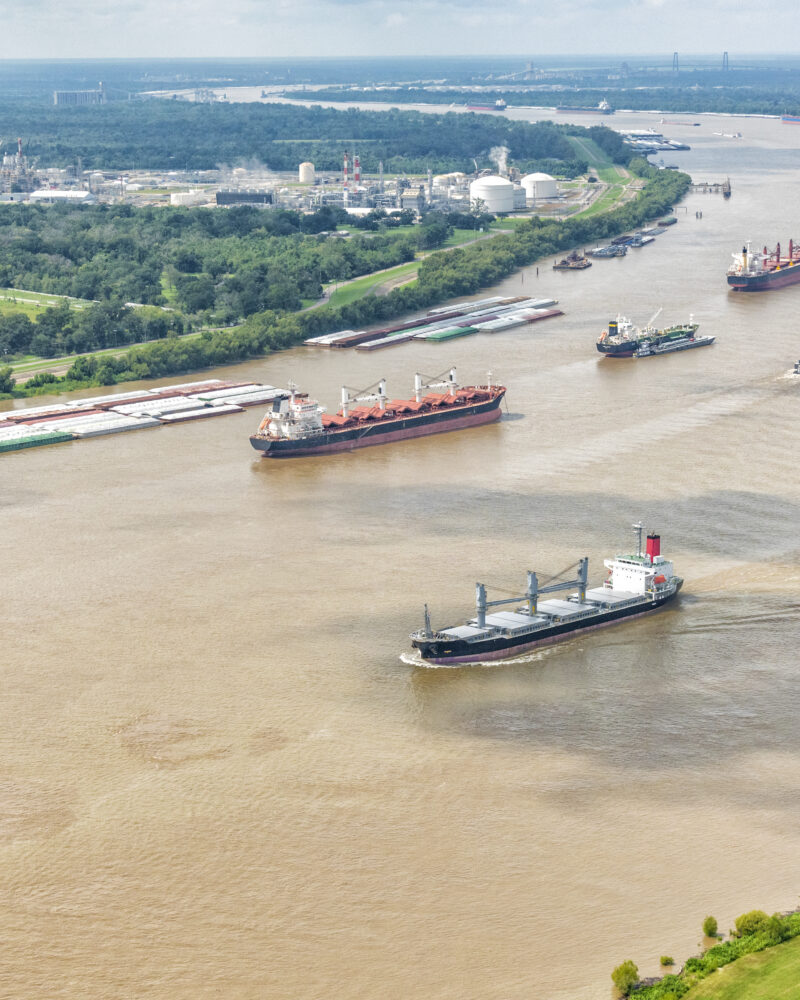
Gulf Coast ports handle more than 50% of total U.S. waterborne cargo,1 making the region one of the most active logistics corridors in the country. At the local level, the Port of Beaumont alone supported $23 billion in trade in 2024,2 reflecting rapid growth and sustained demand for infrastructure along the I-10 corridor.
When site selectors and developers evaluate relocation opportunities, tolerance for operational risk is low. For them, this level of activity signals more than strategic positioning; it reflects infrastructure that is already in use and proven at scale.
The question is not just where an operation will go. It is whether a site can support day-one execution without delays, helping reduce risk and improve confidence in the decision.
Building Logistics into the Site Selection Plan
Too often, logistics is treated as a separate decision after a site is chosen. That creates unnecessary friction.
When warehousing, transportation, and access to port and rail are already aligned, companies can move from planning to operations with fewer unknowns. For site selectors, that means evaluating not just land or incentives, but whether a location is ready to support immediate operations.
That is where Wilson Warehouse becomes a more useful partner in the process by helping translate site potential into day-one operational readiness.
Reducing Operational Handoffs
One of the most common sources of delay in new operations is the number of handoffs between providers.
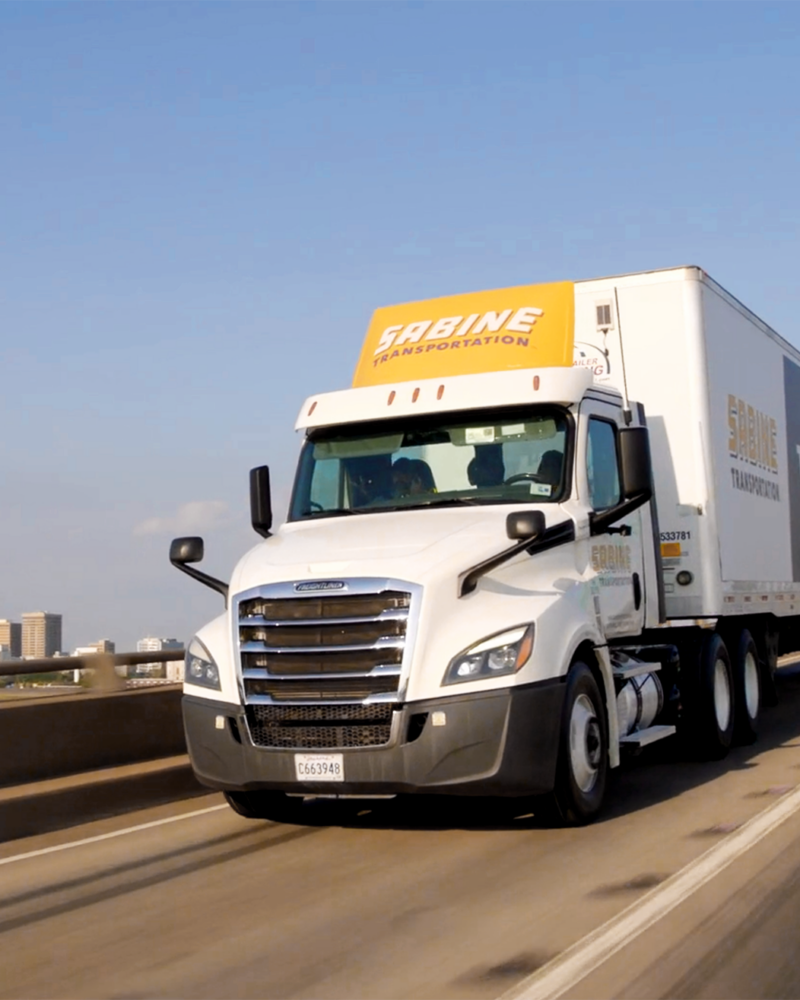
When warehousing and transportation are managed separately, each transition introduces coordination risk. By combining asset-based warehousing with regional trucking and drayage, integrated logistics allows product to move more directly from port or rail to storage and then into outbound distribution.
Fewer handoffs mean fewer delays and more control.
Supporting Day-One Execution
For developers and economic development partners, day-one readiness can strengthen approvals and improve lease-up confidence.
Wilson Warehouse’s presence across Beaumont, Orange, and Port Arthur supports that readiness. Access to investment-ready infrastructure with proximity to major ports and direct connectivity to Interstate 10 gives many companies a clearer path from site selection to active operations that they wouldn’t otherwise have.
Integrated logistics also reduces lease-up risk by aligning infrastructure and operations before a company ever begins moving product. It also gives site selectors the data they need to evaluate readiness: port and rail access, integrated services, expansion flexibility, and incentive alignment.
The Gulf Coast I-10 corridor offers more than location. It offers infrastructure that supports execution.
For companies evaluating relocation or expansion, building logistics into the site selection process is one of the clearest ways to reduce risk and accelerate time-to-market.
—
1U.S. Department of Transportation, Bureau of Transportation Statistics, 2026 Port Performance Freight Statistics Annual Report — Gulf Coast ports handled 52% of total U.S. waterborne tonnage.
2Texas Comptroller of Public Accounts, Port of Beaumont Trade — the Port of Beaumont accounted for $23 billion in trade in 2024, an increase of 182% from 2015 levels.