
Industrial competitiveness is often discussed in terms of incentives. But incentives alone do not make a region ready for investment.
What ultimately determines whether an operation launches smoothly—or faces costly delays—is the infrastructure that’s already in place. Specifically, infrastructure that allows companies to move materials efficiently, access major transportation networks, and scale operations as needs change.
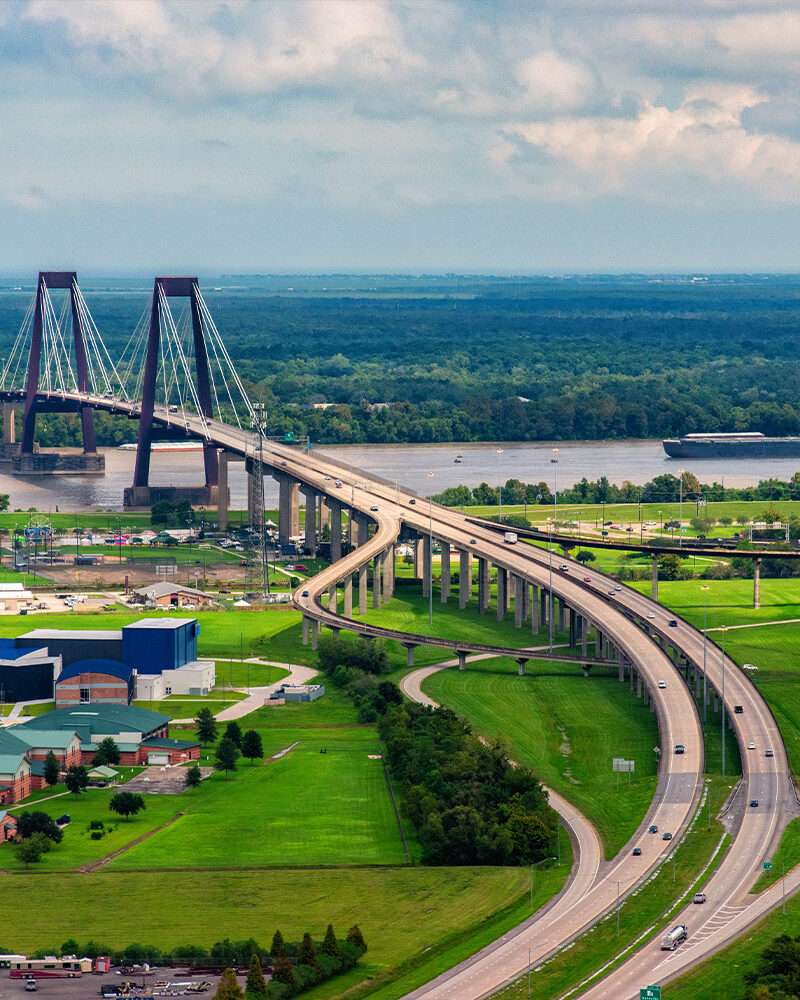
Along the Gulf Coast, the I-10 corridor through Southeast Texas and Louisiana has quietly become one of the most logistics-ready industrial regions in the country. Roughly half of all U.S. waterborne cargo moves through the Gulf Coast, underscoring that the region’s infrastructure is not only in place, but already proven in real operating conditions.
Defining Logistics-Ready Infrastructure
A logistics-ready industrial site is more than land near a highway. It is a location where transportation, storage, and expansion capacity are already aligned.
For most operations, readiness comes down to three fundamentals:
- Direct access to major freight corridors
- Connectivity to port and rail infrastructure
- Available space to scale operations over time
Without these elements, companies often face fragmented logistics coordination or costly relocations as operational needs change. The Gulf South corridor along Interstate 10 provides a rare combination of all three, giving businesses more flexibility to scale with demand.
Port Access, Rail Access, and Expansion Headroom
The Southeast Texas–Louisiana corridor sits within reach of multiple transportation assets that support regional and national distribution.
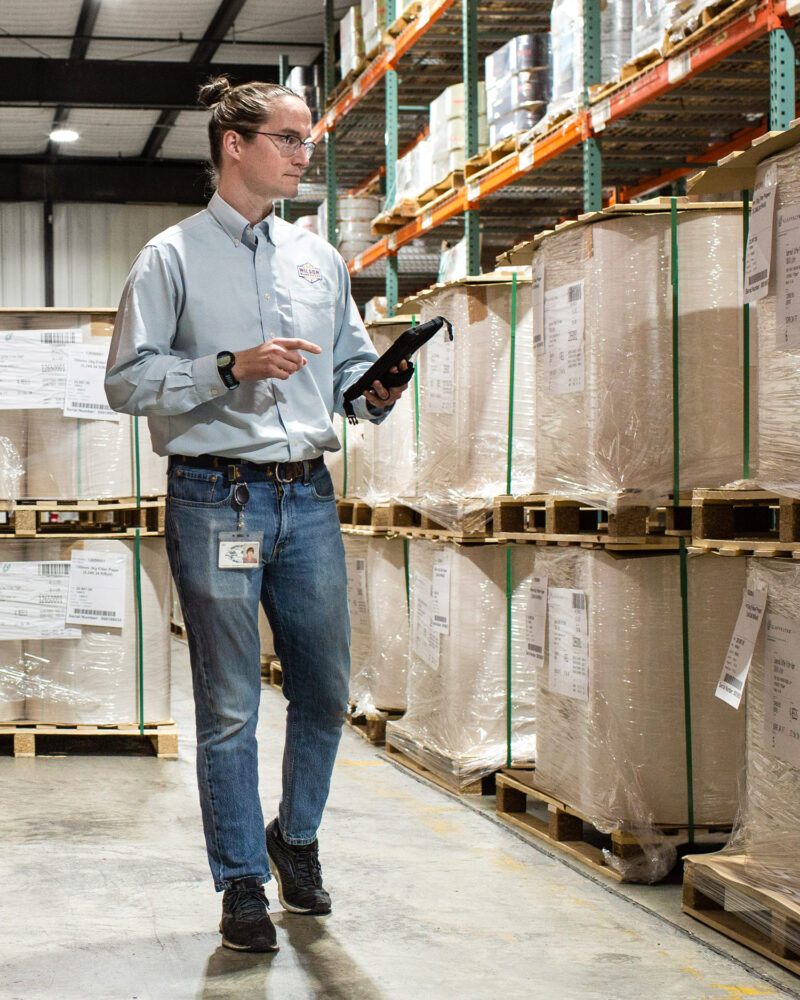
Wilson Warehouse’s Beaumont distribution center, located approximately five miles from the Port of Beaumont, offers rapid access to one of the country’s largest ports for military and project cargo. For companies moving bulk goods or international freight, proximity to port infrastructure reduces both transit time and coordination complexity.
Just as important, the Beaumont site includes roughly 30 acres of expansion capacity, allowing companies to grow their operations without relocating or rebuilding their logistics footprint.
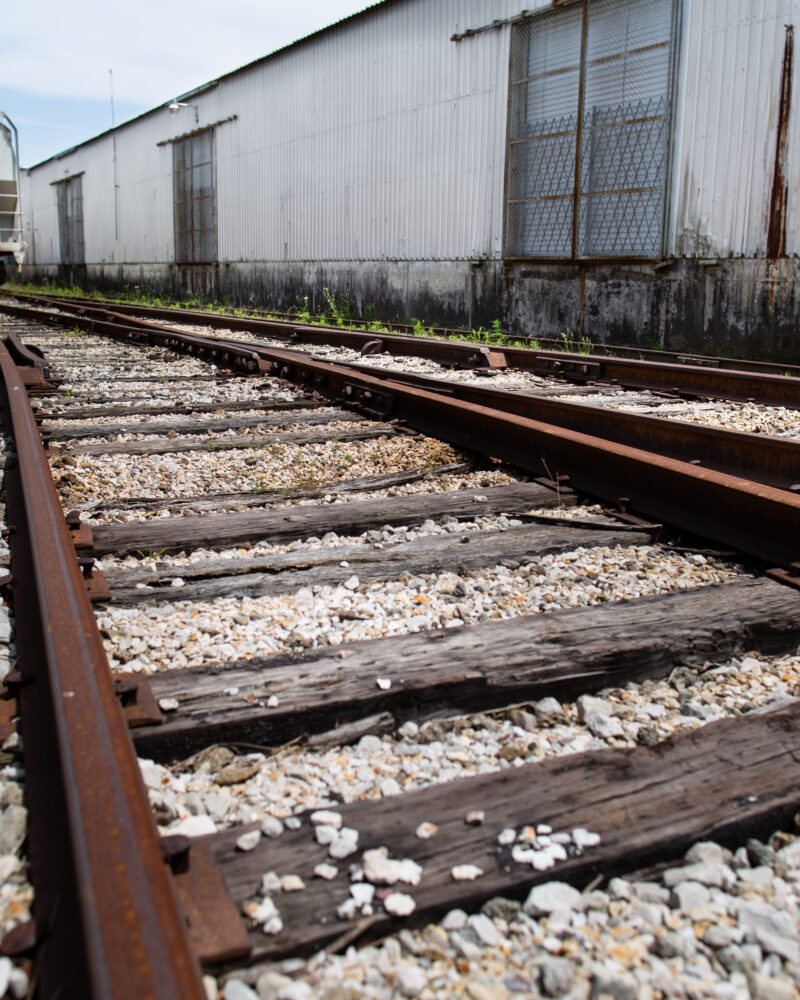
Further east, the Orange distribution center sits directly on I-10 with Kansas City Southern rail access, creating efficient connections between highway, rail, and port networks.
Taken together, these assets give businesses more than strategic access. They provide the connectivity and expansion headroom needed to enter the market with confidence and scale over time.
Scaling from Pilot to Dedicated Space
Industrial investments rarely begin at full scale. Many companies enter new markets through pilot operations before expanding.
In the Gulf Coast corridor, infrastructure supports that progression. Available warehouse capacity can support both initial market entry and long-term growth, with room to scale to hundreds of thousands of square feet or more as needed.
This allows companies to test logistics strategies, validate demand, and expand capacity without relocating or rebuilding their supply chain.
For companies evaluating new industrial locations, the I-10 corridor is not just strategically located. It is proven and operationally ready.