
Your Supply Chain Advantage
For years, industrial logistics has evolved amid rising demand and rapidly shifting supply chain dynamics. The surge in industrial supply chain demands, along with many other notable cultural and economic shifts, accelerated this transformation, creating new opportunities (and new complexities) for logistics leaders.
Leasing activity surged to 123.3 million square feet last quarter, the most since Q2 of last year, underscoring the sector’s ongoing momentum even as availability remains tight in critical logistics corridors near ports, rail lines, and major population centers. Meanwhile, construction and operating costs continue to rise, slowing new development.¹
For manufacturers and logistics planners, these conditions present both challenge and opportunity. The key is knowing where flexibility, connectivity, and the right partnership can turn market complexity into competitive advantage.
Rethinking Location Strategy
Logistics teams today are taking a fresh look at what defines a strategic location. While proximity to urban centers still plays a role, more businesses are recognizing the advantages of locations that balance connectivity, flexibility, and operational ease.
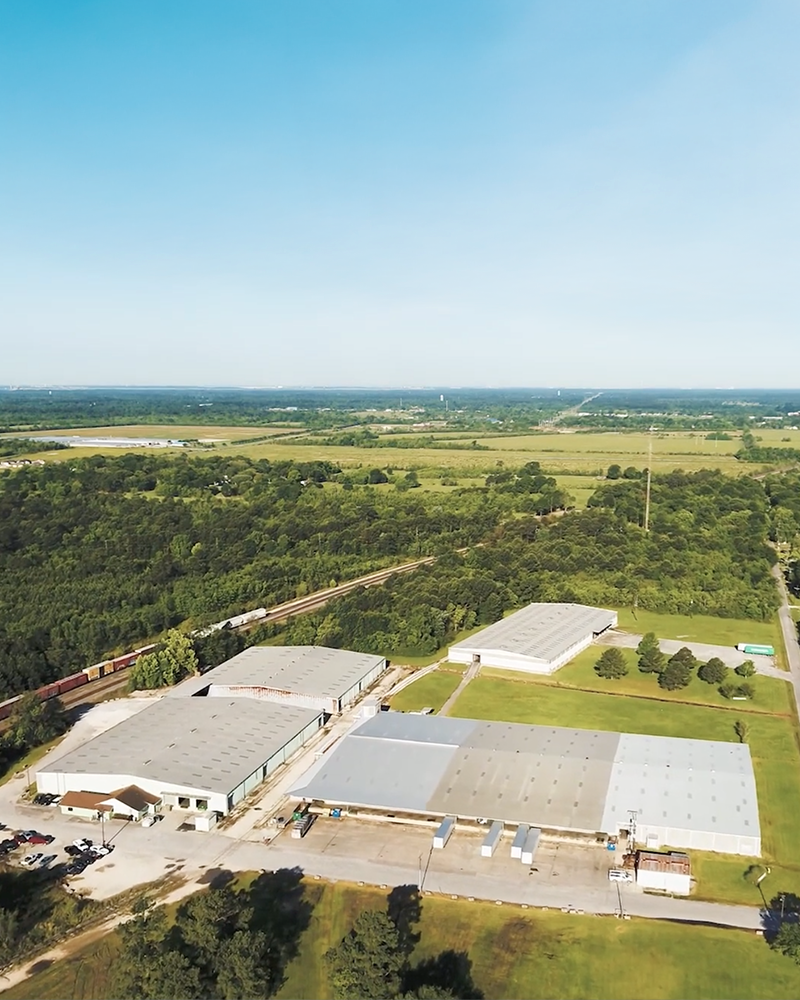
Regional hubs just outside metro congestion are increasingly appealing. With access to key infrastructure, such as interstates, intermodal facilities, and ports, these areas offer nimble solutions that help logistics operations adapt to shifting demands without the delays and complexities of dense urban zones.
Along the I-10 corridor, for example, businesses are finding the ideal mix of reach and responsiveness, positioning themselves to serve customers efficiently while remaining ready to scale.
Logistics That Work Smarter
Beyond the question of where to operate lies a deeper consideration of how to work strategically. With seasonal swings, unpredictable demand cycles, and growing expectations for speed, the value of adaptable warehousing has never been clearer.
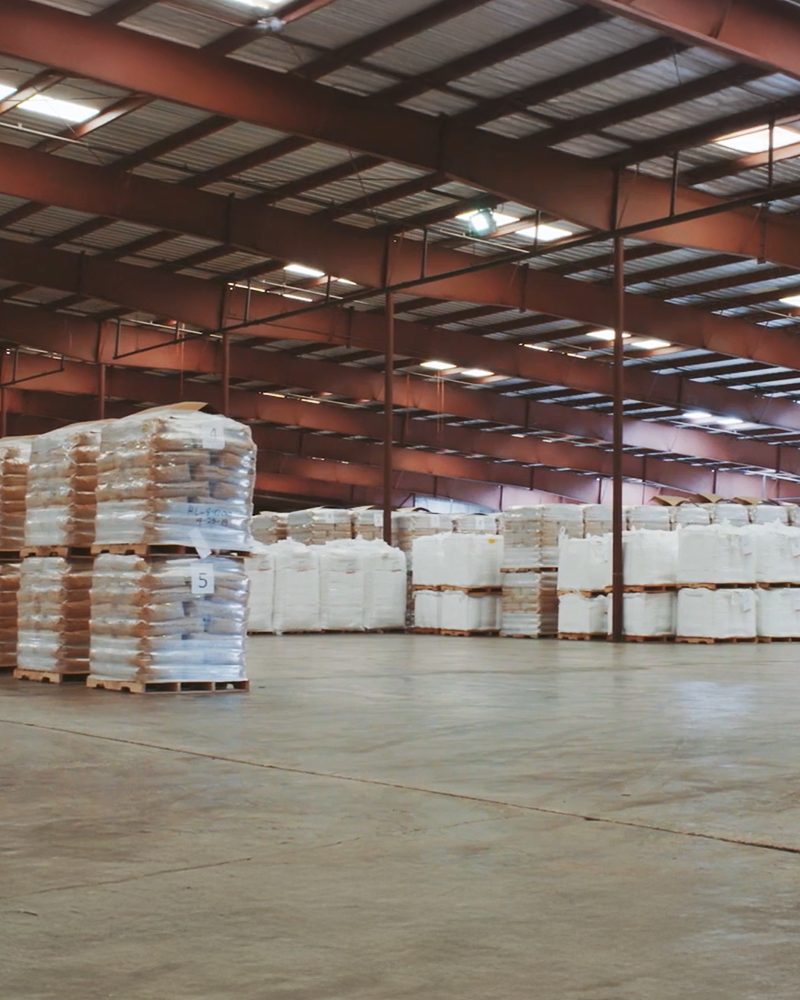
That’s why many companies are partnering with regional providers who deliver more than facilities. Flexible lease structures, integrated transportation, and on-site packaging or labor support help businesses streamline operations and stay nimble.
In these setups, fewer handoffs mean faster turnaround and lower risk. Services are co-located, teams are aligned, and capacity can scale up or down with minimal disruption. For operations navigating uncertainty, this kind of elasticity isn’t a nice-to-have, it’s a necessity.
Built to Adapt
As the industrial landscape evolves, logistics leaders are navigating new complexities that call for smarter, more adaptable operations; not simply more square footage.
That’s why many companies are rethinking their footprint: prioritizing flexibility over fixed terms, practical proximity over traditional labels, and partnerships that go beyond facilities to deliver integrated, responsive solutions.
Across the I-10 corridor and Gulf Coast region, we support this shift with scalable facilities, tailored services, and the kind of operational adaptability that helps businesses do more with less.
Because in today’s market, the real value isn’t where you operate, it’s how well your logistics supports your business.
Let’s explore how a regional approach could strengthen your next move.
¹Source: Randhawa, M., Keiger, E. & Nastasi, K. (2025, May 2). U.S. Industrial Market Dynamics, Q1 2025. JLL.