
Preparing for Disruption Before It Arrives
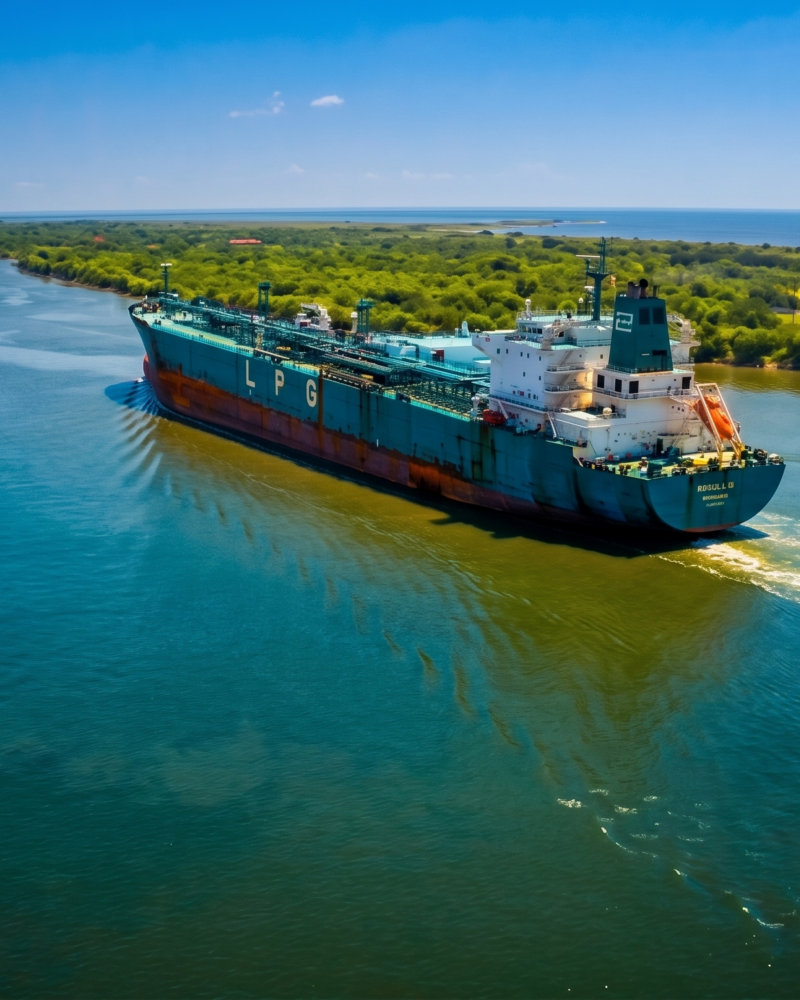
Hurricane season, port delays, energy-sector growth, and seasonal demand can all change logistics plans quickly. Along the Gulf Coast, even one storm can delay freight, tighten warehouse capacity, and force transportation plans to change with little notice.
Companies cannot predict every disruption, but they can prepare their operations to handle one.
When Pressure Builds
A delay at the port can leave materials waiting for space. A transportation slowdown can affect production schedules or customer deliveries. A surge in demand can put added strain on docks, yards, labor, and inventory management. And these problems grow when warehousing and transportation are handled separately.
More providers mean more calls, more handoffs, and more opportunities for plans to fall out of sync. But connected logistics partners give companies more ways to respond while conditions are still manageable.
Room to Adjust
Additional capacity matters when plans change. Scalable warehouse space gives companies room to reposition materials, while regional trucking and drayage help keep freight moving when schedules change.
That flexibility can reduce the need for costly last-minute transportation decisions or long-term space commitments made under pressure. Materials can be redirected, space can shift with demand, and transportation plans can be updated as conditions develop.
Planning these options in advance allows operations teams to respond faster when schedules, routes, or inventory requirements change.
What Should a Supply Chain Continuity Plan Include?
When a shipment has to be redirected, your team should already know which warehouse has room and which carrier can make the move. The plan should also establish who can approve the change, so the shipment isn’t held up while teams wait for a decision.
A true logistics partner can help coordinate the carrier’s revised schedule with available dock and yard space. Working through these arrangements in advance gives the receiving team time to prepare and helps prevent a redirected shipment from creating another bottleneck.
Keeping the Pieces Connected
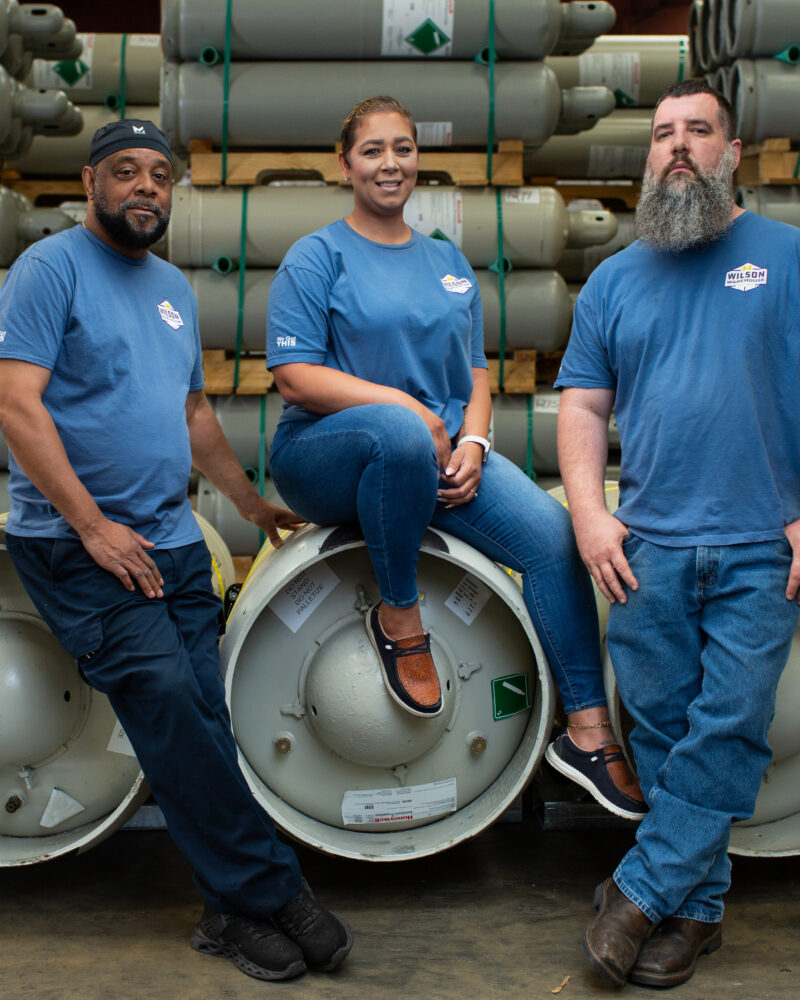
Across the Gulf Coast corridor, the Wilson Warehouse family of brands connects flexible warehousing with regional trucking and drayage, helping companies manage changing demand, reduce handoffs, and keep materials moving when pressure builds.
This is especially important for manufacturers, distributors, importers, and expanding operators whose operations depend on reliable storage and freight movement. A single port, warehouse, or transportation delay can affect the rest of the supply chain.
For companies preparing for the next surge, storm, or shift in demand, the Wilson Warehouse family of brands provides the space, transportation, and regional expertise needed to keep operations moving.